
Introduction
An Application Programming Interface (API) is essentially a set of rules and protocols for building and interacting with software applications. APIs dictate how components of software should interact with one another, functioning as a bridge that allows different programs to communicate efficiently and securely.
APIs as an Interface for What is Possible
We interact with user interfaces all the time using our mobile and web apps. They help us get work done, collaborate with others, and communicate with our friends and family.

The ‘I’ in API stands for interface. Similar to our human interfaces, APIs provide an interface for our applications to share data and collaborate.
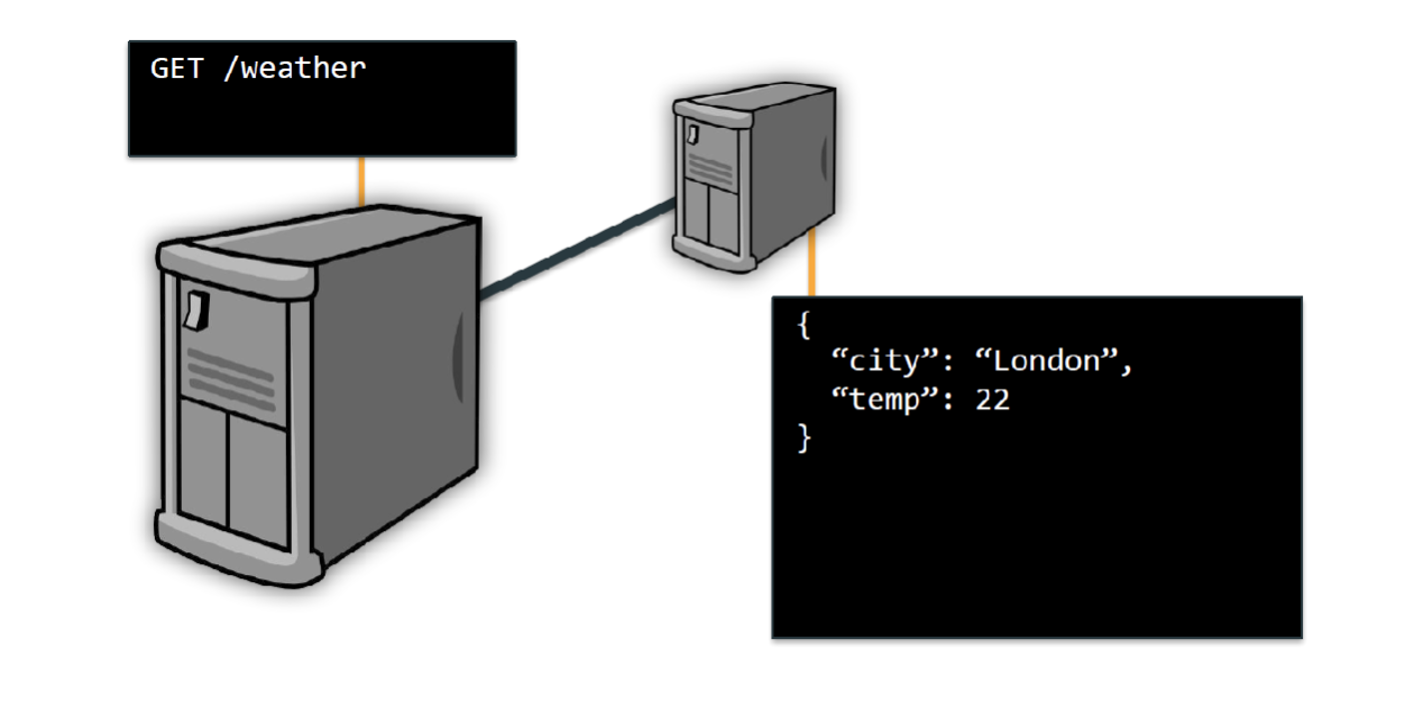
A user interface communicates what you can and can’t do. Likewise, APIs communicate what an application can and can’t do. These are referred to as affordances.
Affordances are discoverable actions that may be taken. Within a user interface, these may be buttons, links, and forms. Within an API, these are the operations that may be executed.
APIs are Contracts Between Developers
An API is a contract between developers, stipulating:
- The operations available
- The necessary data inputs for each operation
- The expected behavior when an operation is called and the input data is processed
- The data output to expect based on the success or failure of the operation.
This concept of APIs as a “contract” is not just a metaphor but a practical framework that ensures different software systems can integrate and function cohesively. Historically, APIs have been integral to software development, enabling functionalities like accessing a device’s hardware on mobile phones or operating system features on desktops.
For instance, mobile developers rely on APIs to harness features such as making calls, texting, utilizing Bluetooth, or retrieving GPS coordinates on platforms like iOS or Android. These APIs, provided by the operating system, are what allow the applications you use daily to interact seamlessly with your mobile device’s native features.
Similarly, on desktop computers, operating systems like Windows and macOS offer APIs that developers use to create software applications tailored to interact with system hardware and software resources.
APIs Drive Connectivity and Collaboration
In the contemporary tech landscape, APIs extend beyond local device functionalities to facilitate vast, network-based interactions. They connect mobile devices to cloud services, enable the integration of on-premises data centers with cloud resources, and allow for the seamless exchange of data between different organizations over the internet. This evolution has been pivotal in the rise of web APIs, which open up possibilities for creating interconnected, scalable, and flexible digital ecosystems.
By standardizing communication between different software layers and services, APIs empower developers to build richer, more dynamic, and user-focused applications, making them foundational elements in both the development of end-user applications and in the architecture of internal systems.